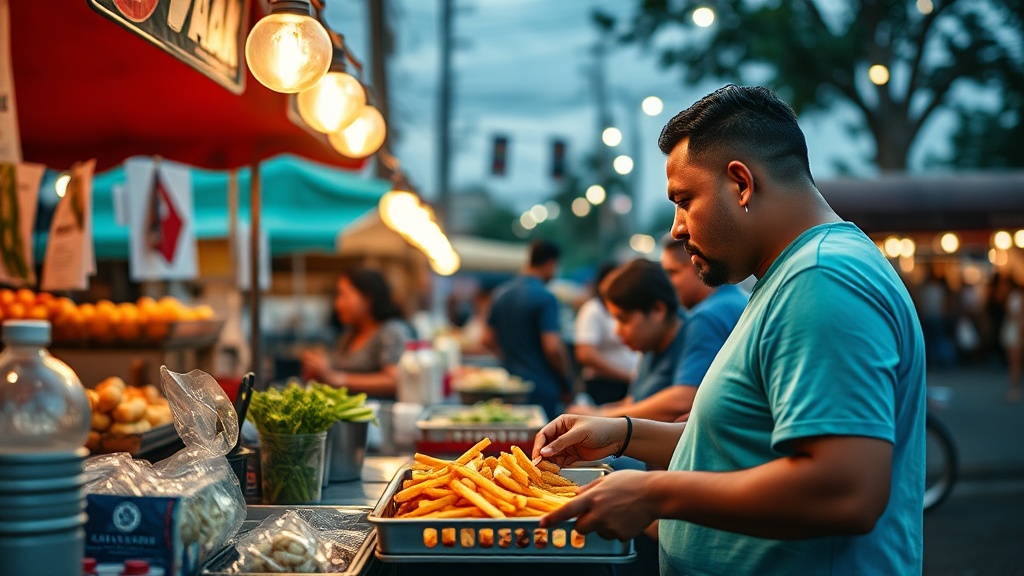
Local Flavors Without the Fuss: Teaching Kids to Enjoy Street Food Safely

Quick Tip
Start with small, familiar textures and observe the vendor's hygiene practices to build your child's confidence.
Are you staring at a bustling night market in Bangkok or a street vendor in Mexico City, wondering if that delicious-looking skewer is a culinary delight or a one-way ticket to a hotel room with a broken stomach?
The fear of foodborne illness is the primary reason parents opt for the "safe" bland pasta at the hotel restaurant, but skipping local flavors means skipping the soul of travel. Teaching kids to navigate street food isn't about being reckless; it is about teaching them to observe, assess, and enjoy. Treat food exploration like a tactical mission: high reward, low unnecessary risk.
The Three-Step Visual Audit
Before you even reach for your wallet, teach your children to look for these three green flags. This turns a scary unknown into a game of "detective work."
- The High-Turnover Rule: Look for the vendor with the longest queue of locals. A high volume of customers means the ingredients are being replenished rapidly, ensuring nothing has been sitting in the sun for three hours.
- The Heat Factor: If you can see steam rising or hear the sizzle of a flat top, you are in good shape. Heat is your best friend; it kills most common pathogens. If you are ordering Bao or Tacos, ensure the protein is cooked right in front of you.
- The Tool Check: Observe the vendor's hands. Are they using tongs or a spatula to handle the food, or are they using bare hands? A quick glance at their utensil hygiene can tell you everything you need to know about their professional standards.
Practical Gear for the Foodie Adventurer
You cannot control the vendor, but you can control your immediate environment. Keep a "Sanitation Kit" in your day bag to bridge the gap between street food and safety. This isn't about being high-maintenance; it is about being prepared.
- Hand Hygiene: Pack individual Wet Ones or a small bottle of Purell hand sanitizer. Use it immediately before touching any food.
- The "Safe" Backup: Always carry a high-protein, familiar snack in your bag. If a child finds a local dish too intimidating, having a Kind Bar or a pack of Goldfish prevents a meltdown caused by hunger-induced fear. For more ideas on managing hunger on the move, see our Family Road Trip Snack Survival Guide.
- Bottled Water Only: Never rely on tap water for drinking or washing fruit. Stick to sealed, branded water bottles to avoid any unexpected surprises.
"The goal isn't to avoid every possible germ—that's impossible. The goal is to build a kid's confidence in their ability to navigate the world safely and curiously."
By shifting the focus from "Is this safe?" to "How do I check if this is safe?", you turn a stressful meal into a valuable life skill. You aren't just eating; you are training them to be competent travelers.