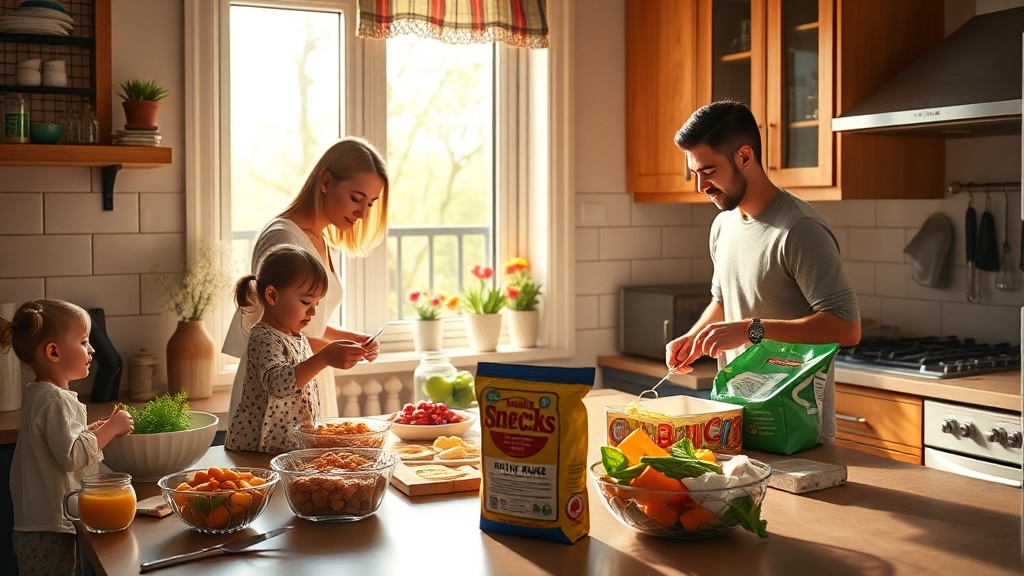
Bio‑Harmony Meal Sync: Align Your Spring Eats with Your Circadian Rhythm


Hook:
Ever notice how a late‑night pizza binge leaves you dragging through the next day’s school run? What if the secret isn’t cutting carbs but simply eating when your body wants to eat?
Context:
Daylight‑Saving Time is creeping up, and the sun’s longer hours are a perfect excuse to stop treating meals like a corporate schedule and start listening to our internal clocks. The 2026 “Six Pillars of a Healthier, Age‑Defying Lifestyle” report crowns circadian‑aligned eating as a top‑ranked pillar. Below is my no‑fluff, family‑first guide to syncing your spring menu with your biology.
Why Does Timing Matter for Family Energy?
Your body runs on a 24‑hour biological clock that regulates hormones, digestion, and mood. When you eat at odd hours—think midnight cereal while the kids are still up—you’re basically shouting “Hey, body, ignore the sunrise!” Studies from the National Sleep Foundation (2025) show that eating within a 10‑hour window that aligns with daylight can boost daytime alertness by up to 15% (source). For a family juggling school, work, and the inevitable meltdowns, that extra spark is worth the effort.
How Can You Shift Your Meal Schedule Without Chaos?
1. What’s the First Step After the Clock Changes?
When the clocks spring forward, move breakfast 30 minutes later and dinner 30 minutes earlier. This tiny tweak respects the new sunrise while keeping kids on a familiar routine. My go‑to trick: set the kitchen timer for “Breakfast Ready” at 7:30 am (instead of 7:00) and watch the whole house adjust.
2. Which Foods Keep Your Clock on Track?
- Protein‑rich breakfasts (eggs, Greek yogurt) kick‑start cortisol, the wake‑up hormone.
- Complex carbs at lunch (quinoa bowls, sweet‑potato tacos) sustain glucose without the crash.
- Light, early dinners (grilled salmon, roasted veggies) let melatonin rise naturally.
"Eat light after sunset, and you’ll sleep like a log." — my own mantra after countless midnight diaper changes.
3. How Do You Handle the Kids’ Snack Cravings?
Keep a tactical snack bag stocked with fiber‑rich snacks (apple slices, almonds) and a splash of protein (cheese sticks). The bag stays on the counter—visible, reachable, and a reminder that we’re feeding the clock, not the cravings.
What Are Three Easy Spring Recipes That Fit the Clock?
1. Sunrise Veggie Frittata (Breakfast)
- Ingredients: eggs, spinach, cherry tomatoes, feta, a pinch of turmeric.
- Why it works: High protein + healthy fats keep cortisol steady.
- Prep time: 20 min.
2. Midday Mediterranean Quinoa Bowl (Lunch)
- Ingredients: quinoa, chickpeas, cucumber, olives, lemon‑tahini dressing.
- Why it works: Complex carbs + fiber prevent post‑lunch slump.
- Prep time: 15 min (cook quinoa night‑before).
3. Early‑Evening Lemon‑Herb Salmon (Dinner)
- Ingredients: salmon fillet, lemon, dill, roasted asparagus.
- Why it works: Light protein + omega‑3s support melatonin production.
- Prep time: 25 min (cook at 375°F, serve by 6 pm).
How Do You Keep the Whole Family on Board?
- Involve the kids — Let them pick a veggie for the frittata. Ownership = compliance.
- Visual clock — Hang a simple infographic (see below) in the kitchen so everyone sees the “eating window.”
- Flex, don’t force — If a late‑night game night happens, shift the next day’s breakfast 15 minutes later rather than scrapping the plan.

Takeaway: Your Spring Energy Blueprint
- Adjust the clock: +30 min breakfast, –30 min dinner after DST.
- Eat smart: protein at sunrise, complex carbs at noon, light protein at dusk.
- Snack strategically: tactical bag with fiber + protein.
- Visual cue: kitchen clock infographic.
Give this a week, track mood and energy (a quick family rating on a 1‑5 scale works), and you’ll see the chaos melt away like the last snow of March.
Related Reading
- Spring Refresh: Embracing Bio‑Harmony for a Healthier Family — deeper dive into sleep and exercise alignment.
- Spring Travel Reset: DST Hacks, Smart Packing, Celebrate Women — DST tricks beyond meals.
- Road‑Trip Snack Survival: 7 Non‑Perishable Foods That Keep Kids Happy & Meltdown‑Free — snack ideas that fit the bio‑harmony window.
<meta.faqs>
[
{"question": "What is circadian rhythm eating?", "answer": "It’s timing meals to match your body’s natural 24‑hour clock, typically eating during daylight and finishing dinner a few hours before dark."},
{"question": "How does daylight‑saving time affect meal planning?", "answer": "When clocks jump forward, shift breakfast later and dinner earlier by about 30 minutes to keep meals aligned with sunrise and sunset."},
{"question": "Can kids follow a circadian eating schedule?", "answer": "Yes—keep meals consistent, involve them in prep, and use a simple kitchen clock infographic to make the schedule visual and fun."}
]
</meta.faqs>